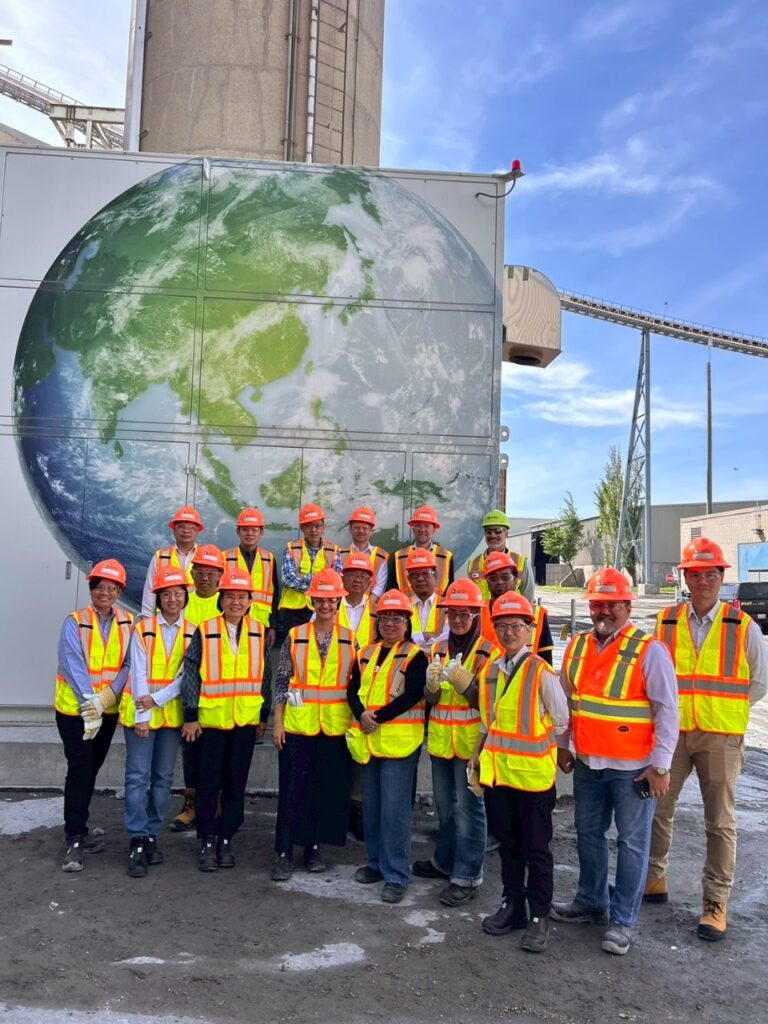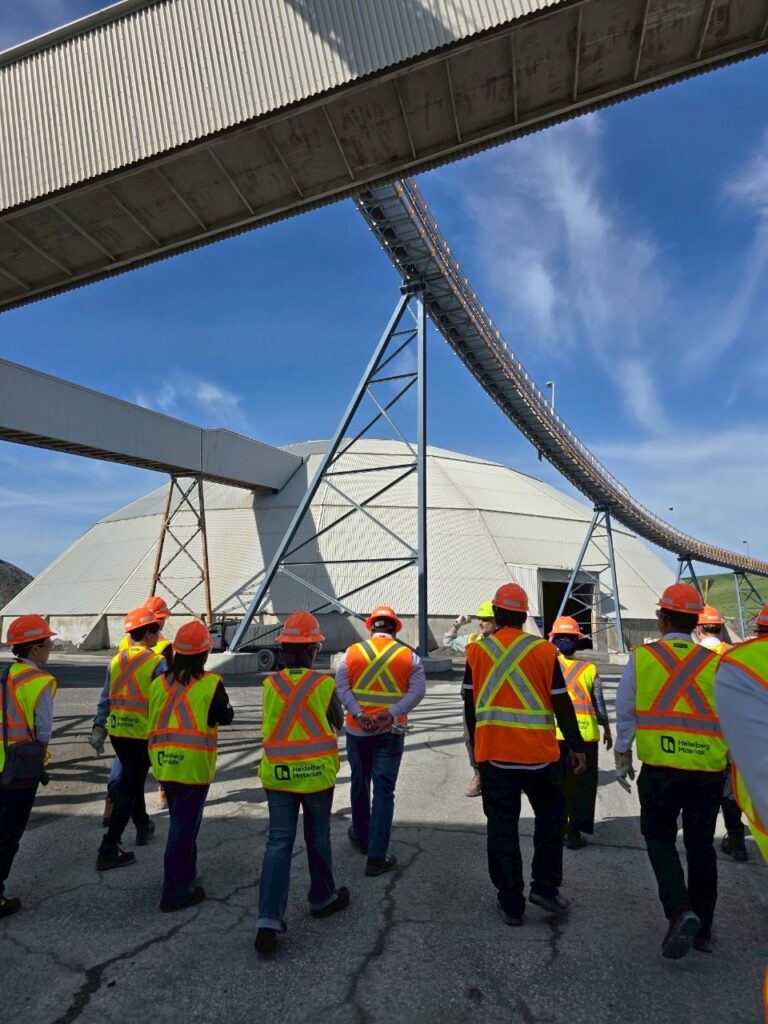
UNIDO organized a week-long study tour to Canada to strengthen cooperation and knowledge-sharing. This provided Thai stakeholders—and representatives from Malaysia, the Philippines and Indonesia—an opportunity to see first-hand state-of-the-art decarbonization technologies and policy frameworks. Beyond ambitious targets, Canada is backing its cement and concrete net-zero by 2050 roadmap with world-class R&D, industrial pilots, and scalable tech.
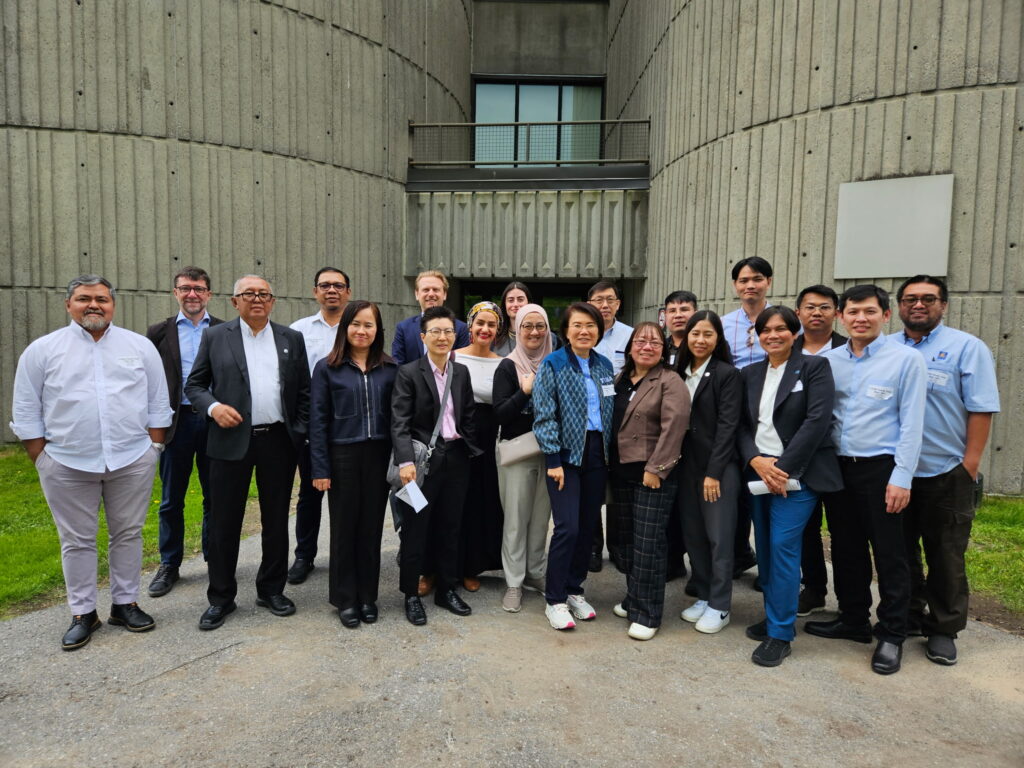
Key highlights from the study tour:
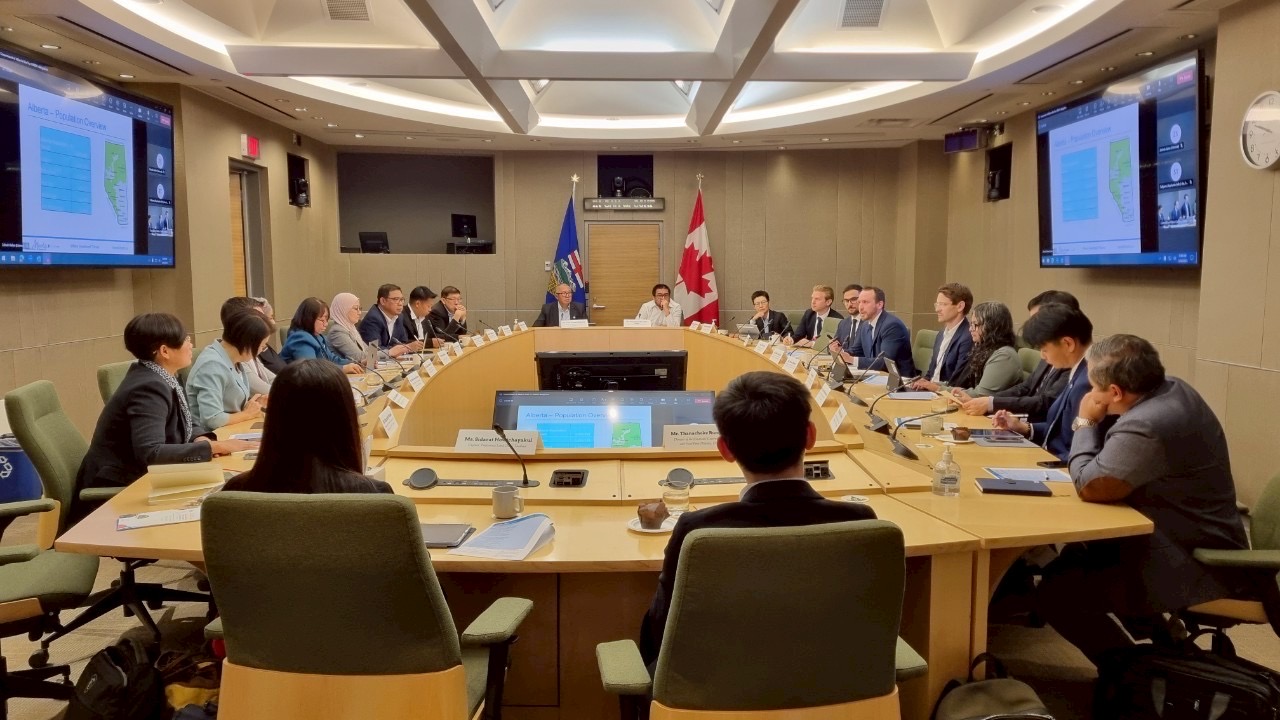
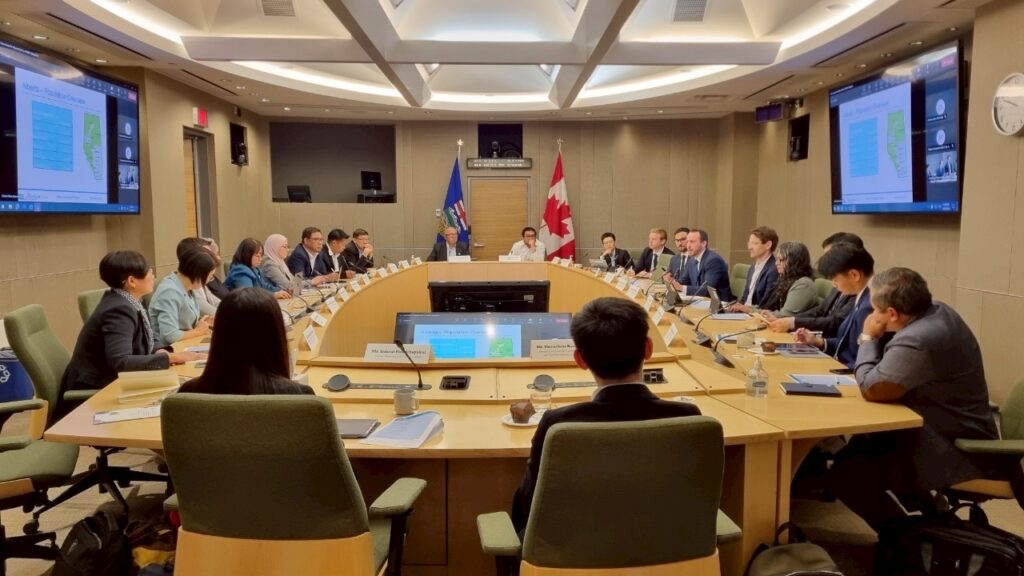
- Meeting with policy makers (Environment and Climate Change Canada (ECCC), Natural Resources Canada (NRCan), Innovation, Science and Economic Development Canada (ISED), National Research Council of Canada (NRC), Standards Council of Canada (SCC), Treasury board of Canada), gaining insights into Canada’s decarbonization policies including carbon pollution pricing strategies, Carbon Management, Cement & Concrete Breakthrough Initiative
- Learning from Canada Cement Association, which is driving industry-led efforts to cut over 15 Mt of GHG emissions by 2030.
- Exchanges with Alberta’s government, a leader in industrial emissions reductions, where carbon pricing has been in place since 2007.
- Visiting Heidelberg Materials Edmonton, witnessing carbon capture and storage technology in action.
- Engaging with InnoTech Millwoods, Emission Reduction Alberta & CanmetENERGY Ottawa on innovation and R&D experiences.
- Meeting Canadian innovators: Giatec, CarbiCrete, Carbon Corp, Carbon Upcycling Technologies and C-FER
The study tour reinforced the power of global collaboration in advancing decarbonization. As Thailand works towards decarbonize its cement and concrete sectors, learning from Canada’s experience will help drive policy innovation and scalable solutions for a low-carbon future.